


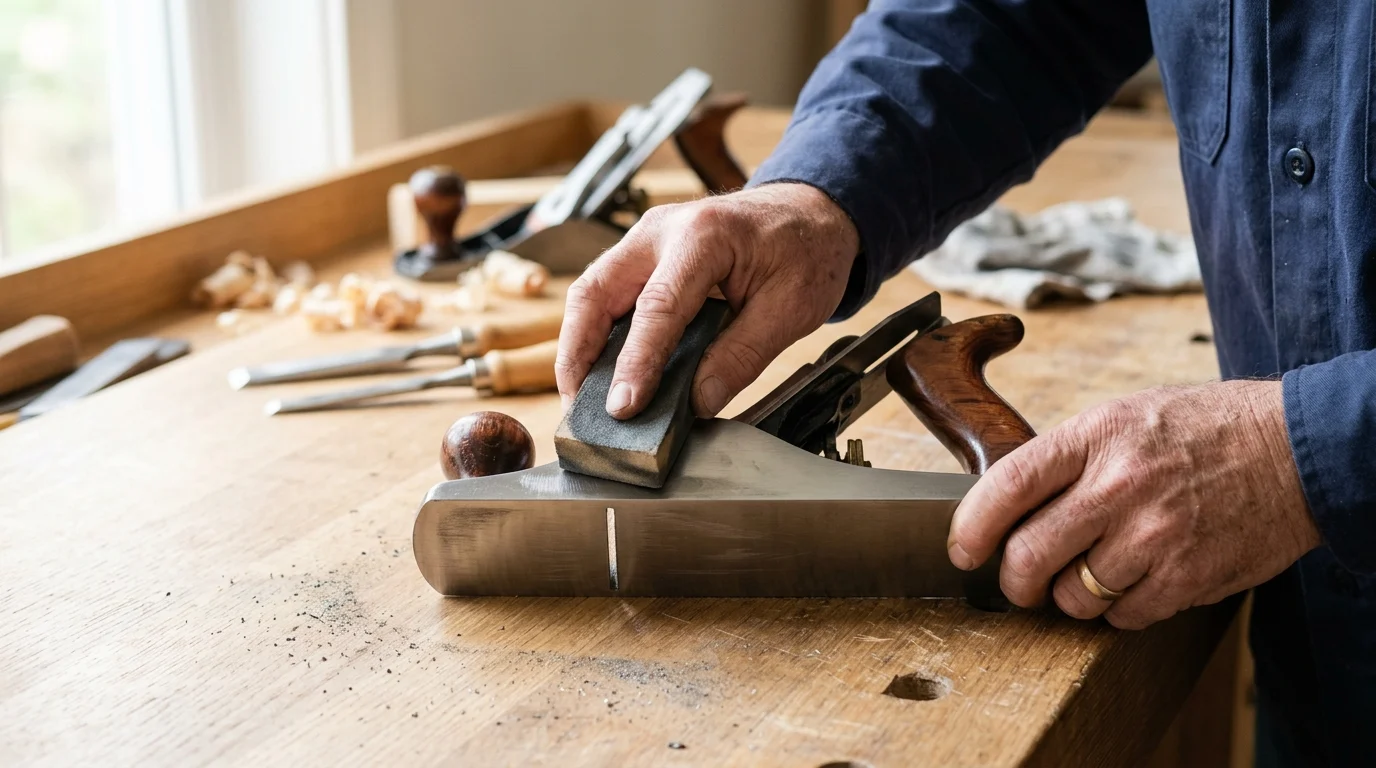
In hand tool production, polishing is not cosmetic—it is a reliability control point. The finish on a grip polisher’s casing, housings, and precision components can influence corrosion resistance, debris buildup, gear alignment, heat behavior, and long-term user confidence. For manufacturers and procurement teams, the difference between a short-lived tool and a dependable industrial asset often comes down to controlled surface preparation, measurable roughness targets, and disciplined material removal. This article examines how professional polishing standards affect durability, why premature wear begins at the microscopic level, and what buyers should evaluate when comparing suppliers, finishing processes, and performance claims.
Why Hand Tool Polishing Matters
Effective hand tool polishing serves as the critical bridge between raw manufacturing and long-term utility. Far from a mere aesthetic enhancement, it is a fundamental engineering process that determines the functional lifespan and reliability of professional-grade equipment.
Impact on grip polisher quality
The execution of hand tool polishing directly dictates the baseline quality of grip polishers. A meticulously polished surface eliminates microscopic imperfections, such as burrs and machining marks, which can trap moisture, oils, and chemical debris. According to metallurgical standards recognized by materials science organizations like ASM International, reducing surface roughness significantly enhances a metal's inherent resistance to environmental oxidation. For grip polishers, this smooth finish ensures mechanical consistency, allowing interlocking or moving parts to operate with minimal friction while providing an optimal surface for secondary plating or coating applications.
Risks of premature wear
When hand tool polishing standards are compromised, tools face severe risks of premature wear. Unpolished or poorly finished microscopic fissures act as stress concentrators. During high-torque or repetitive industrial tasks, these stress points accelerate metal fatigue, ultimately leading to structural failure.
Common consequences of inadequate surface polishing include:
- Accelerated oxidation: Rough surfaces trap water and corrosive agents, leading to rapid rust formation.
- Mechanical degradation: Increased friction between poorly polished moving components causes accelerated material loss.
- Coating failure: Protective finishes, such as chrome or zinc plating, are more likely to peel or flake if applied over an unpolished, uneven substrate.
Effects on user confidence
The tactile feedback and visual condition of a tool profoundly influence end-user trust. Professional tradespeople rely on grip polishers that maintain their structural integrity and ergonomic comfort over years of daily use. If a tool exhibits early signs of pitting, rust, or uncomfortable surface friction due to substandard hand tool polishing, user confidence in the manufacturer rapidly deteriorates. Conversely, a flawless, highly durable finish signals rigorous quality control. This attention to detail reinforces brand loyalty, reduces warranty claims, and justifies premium market positioning for hand tool manufacturers competing in global markets.
What Defines Professional Polishing
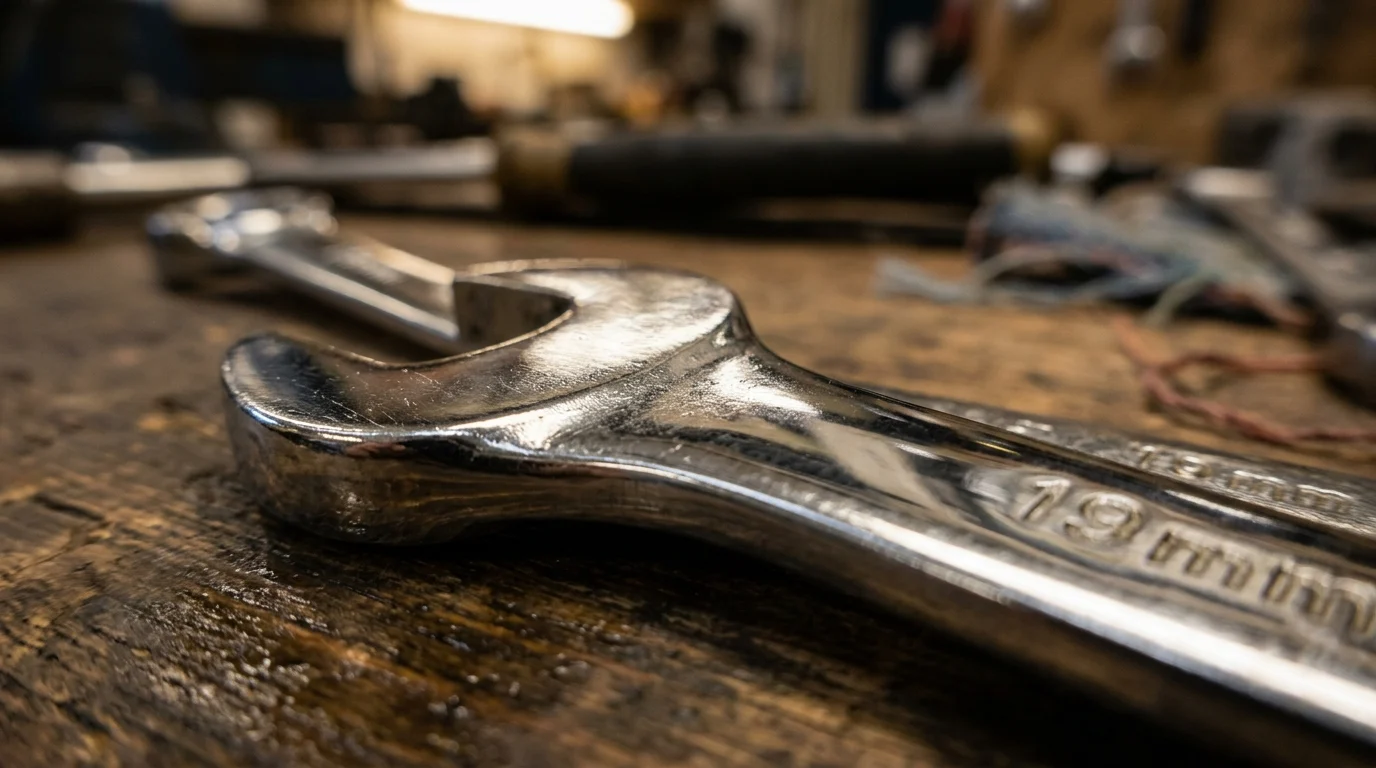
Professional polishing in hand tool manufacturing requires strict adherence to metallurgical and surface engineering protocols. The distinction between consumer-grade and professional-grade rotary polishers lies in the precision of these finishing methodologies. Manufacturers must balance effective material removal with the preservation of the tool's dimensional tolerances to meet exact engineering specifications.
Surface preparation standards
Proper surface preparation dictates the success of the final polish. This stage requires multi-stage grinding, progressively moving from coarse to fine abrasives. Based on broad surface roughness guidelines from standardization bodies like the ISO, professional-grade hand tools often target an example Ra (Roughness average) of 0.2 to 0.4 micrometers before final finishing operations commence. Failing to achieve a proper baseline roughness results in a patchy finish that compromises the tool's protective barrier. Advanced manufacturing facilities use automated CNC grinding centers to ensure these preparation standards remain uniform across every batch.
Material and finish options
Manufacturers use various abrasive compounds and buffing materials, ranging from aluminum oxide for ferrous metals to silicon carbide for non-ferrous alloys. The choice of compound directly influences the final durability of the tool's casing. Additionally, applying diamond paste in the final polishing stages can achieve ultra-smooth surfaces, though it slightly increases the consumable cost per unit. This investment is often necessary for tools operating in highly regulated environments where particulate shedding is strictly prohibited.
Satin, mirror, and custom finishes
The selection of the final finish depends on the tool's intended application. Mirror, satin, and custom matte finishes each offer distinct operational advantages. The following table provides illustrative assumptions for finish cost multipliers and target roughness averages:
| Finish Type | Surface Roughness (Ra) | Cost Multiplier | Primary Application |
|---|---|---|---|
| Satin | 0.4 - 0.8 µm | 1.0x (Baseline) | High-grip industrial environments |
| Matte | 0.8 - 1.2 µm | 0.9x | Glare reduction, heavy-duty usage |
| Mirror | < 0.1 µm | 1.15x - 1.25x | Corrosive environments, cleanrooms |
While mirror finishes require fine polishing compounds—offering superior protection in harsh environments—they can significantly reduce grip traction. This is a critical consideration for handheld tools. Conversely, satin finishes provide better tactile traction for operators while maintaining a reliable seal against moisture and oils.
Key Specifications for Durable Grip Polishers
Identifying a durable handheld polisher requires a thorough analysis of its technical specifications, internal components, and ergonomic profile. Buyers must look beyond the exterior finish to understand the engineering parameters that support long-term performance under the rigorous demands of continuous industrial applications.
Performance specifications to compare
While specifications vary by model and manufacturer, key performance metrics for rotary polishers include Free Speed (RPM), motor wattage, and torque output. As an example, industrial-grade models often operate within a range of 2,500 to 4,500 RPM. They require sufficient wattage to maintain consistent torque under heavy loads. Tools that fail to maintain their RPM under pressure will result in uneven polishing and increased operator fatigue. Additionally, variable speed triggers allow operators to adjust the tool's output to match specific material requirements.
Manual vs low-cost alternatives
The market offers a wide spectrum of polishing tools, requiring buyers to evaluate options based on application, duty cycle, and budget. Low-cost motorized alternatives and manual hand tools often use brushed motors or rely on physical labor, making them suitable for intermittent duty cycles. In contrast, professional-grade pneumatic or brushless electric polishers are designed for continuous, heavy-duty applications. While the initial procurement cost for professional models is higher, they routinely operate for extended periods before requiring major maintenance. This reliability significantly lowers the annualized total cost of ownership by reducing downtime.
Ergonomics, balance, and handle design
Operator safety and comfort are paramount in tool design. Prolonged use of poorly balanced polishers can lead to hand-arm vibration syndrome (HAVS) and decreased productivity. High-quality polishers feature precision-balanced armatures and vibration-damping grips. These are designed to keep exposure below critical safety thresholds, such as the 2.5 m/s² limit outlined in standards like ISO 28927. Compliance with occupational safety standards is essential for facilities aiming to minimize workplace injuries and maximize operator efficiency during long shifts.
How to Evaluate Manufacturing Quality
Procurement professionals must implement stringent evaluation protocols to verify manufacturing quality before committing to large-volume orders. Assessing a manufacturer's capabilities requires analyzing their quality control infrastructure, supply chain reliability, and adherence to international trade standards.
Essential quality control checks
Visual inspections alone are insufficient to guarantee tool longevity. Buyers should request a checklist of sample test reports before placing bulk orders. Comprehensive quality control must include run-out tolerance testing, where acceptable limits for the polishing spindle might target benchmarks like 0.05 mm. Additionally, electric polishers must undergo high-voltage dielectric strength testing (often guided by IEC/EN standards) to ensure insulation integrity. Pneumatic models require pressure-drop testing to verify air motor seals. Factories that document these tests for every serial number demonstrate a commitment to reliable manufacturing.
Sourcing and compliance factors
Sourcing reliable tools relies heavily on international compliance and verifiable certifications. Factories should hold current ISO 9001 certifications for their quality management systems and ensure their products comply with CE, UL, or other regional safety directives. Global trade frameworks, supported by entities like the World Trade Organization, emphasize the importance of standardized compliance to reduce cross-border friction and ensure consistent product safety. Buyers should verify that the manufacturer's raw material sourcing adheres to environmental and labor regulations, which mitigates downstream reputational risks.
Batch consistency and lead times
Consistent manufacturing across large volumes is the hallmark of a mature supplier. Buyers must evaluate the supplier's capacity to maintain tight tolerances across multiple production runs. The following table presents illustrative procurement assumptions for order volumes, lead times, and Acceptable Quality Limits (AQL). These figures vary by supplier, region, and product complexity:
| Order Volume (Units) | Average Lead Time (Days) | Acceptable Quality Limit (AQL) | Packaging Requirements |
|---|---|---|---|
| 500 - 1,000 | 30 - 45 | 1.5 Major / 4.0 Minor | Standard Industrial Carton |
| 1,001 - 5,000 | 45 - 60 | 1.0 Major / 2.5 Minor | Reinforced Palletization |
| 5,000+ | 60 - 90 | 0.65 Major / 1.5 Minor | Custom Export Crating |
A reliable manufacturer typically maintains a strict AQL for major defects. Standard lead times for custom-polished batches range from 45 to 60 days. This timeline depends heavily on the complexity of the requested finish and the current availability of high-grade steel and aluminum alloys.
How Buyers Should Choose Grip Polishers
Selecting the appropriate handheld polisher requires aligning the tool's specifications with the end-user's operational demands and budgetary constraints. Strategic procurement involves conducting practical evaluations and building relationships with suppliers capable of scaling with operational growth.
Practical evaluation steps
Before executing a bulk purchase agreement, buyers should request pre-production sample units to conduct in-house endurance testing. Operating the polisher at maximum load for an extended continuous cycle will expose any thermal management flaws or substandard bearing installations. Furthermore, buyers should disassemble the sample units post-testing to inspect the wear patterns on the gears and the integrity of the internal surface finishes. This teardown provides empirical evidence of the manufacturer's internal quality standards.
When to choose premium polishing
Standard finishes are sufficient for general automotive or woodworking applications, but certain industries demand premium polishing. Premium polishing, characterized by sub-0.1 micrometer surface roughness and advanced coatings, is essential for marine, medical, or aerospace applications. In these sectors, tools are routinely exposed to saline environments or strict Foreign Object Debris (FOD) prevention standards. The price premium associated with these ultra-refined finishes is a necessary investment to prevent contamination in highly sensitive environments.
Supplier selection guidance
Partnering with the right supplier is as critical as selecting the right tool. Buyers should prioritize suppliers who provide a transparent Bill of Materials (BOM) and possess a verifiable track record in global trade. Procurement teams can cross-reference general export volumes through databases like TradeMap. Minimum Order Quantities (MOQs) for specialized, custom-finished polishers typically start at 500 units. Suppliers willing to negotiate pilot runs of 100 to 200 units demonstrate flexibility and a willingness to invest in long-term buyer relationships. This flexibility helps ensure a stable supply chain for future orders. Ultimately, successful procurement hinges on balancing supplier capabilities with verified technical specifications. This balance ensures the chosen tools deliver safe, reliable, and cost-effective performance over their entire lifecycle.
Key Takeaways
- Specify surface preparation targets early, including an example Ra range such as 0.2 to 0.4 micrometers before final finishing where appropriate.
- Inspect both external casings and internal housings because poor internal finishes can trap debris and accelerate wear in moving assemblies.
- Avoid aggressive over-polishing because removing too much material can alter tolerances, strip protective coatings, and weaken fatigue performance.
- Use warranty terms, MTBF data, and vendor audit results as practical indicators of a manufacturer’s polishing quality and long-term reliability.
- Prioritize controlled, multi-stage grinding from coarse to fine abrasives to create a uniform baseline before final polishing.
Frequently Asked Questions
Why does polishing matter in hand tool manufacturing?
Polishing removes micro-imperfections, reduces debris traps, supports dimensional consistency, and helps protect tool bodies from oxidation, pitting, and chemical exposure.
What surface roughness is typical before final finishing?
Professional hand tool components often target an example Ra range of 0.2 to 0.4 micrometers before final finishing, depending on material, geometry, and application requirements.
Can over-polishing damage a grip polisher?
Yes. Aggressive polishing can remove protective coatings, alter tolerances, or reduce fatigue life, so manufacturers must balance material removal with engineering specifications.
How does internal finishing affect tool reliability?
Well-finished housings and motor-related surfaces help maintain tight tolerances, support gear mesh, reduce debris accumulation, and contribute to stable operation during heavy-duty cycles.
What should buyers check when evaluating polisher manufacturers?
Buyers should review warranty terms, MTBF data, surface finishing standards, audit results, and whether the supplier controls grinding and polishing quality consistently.